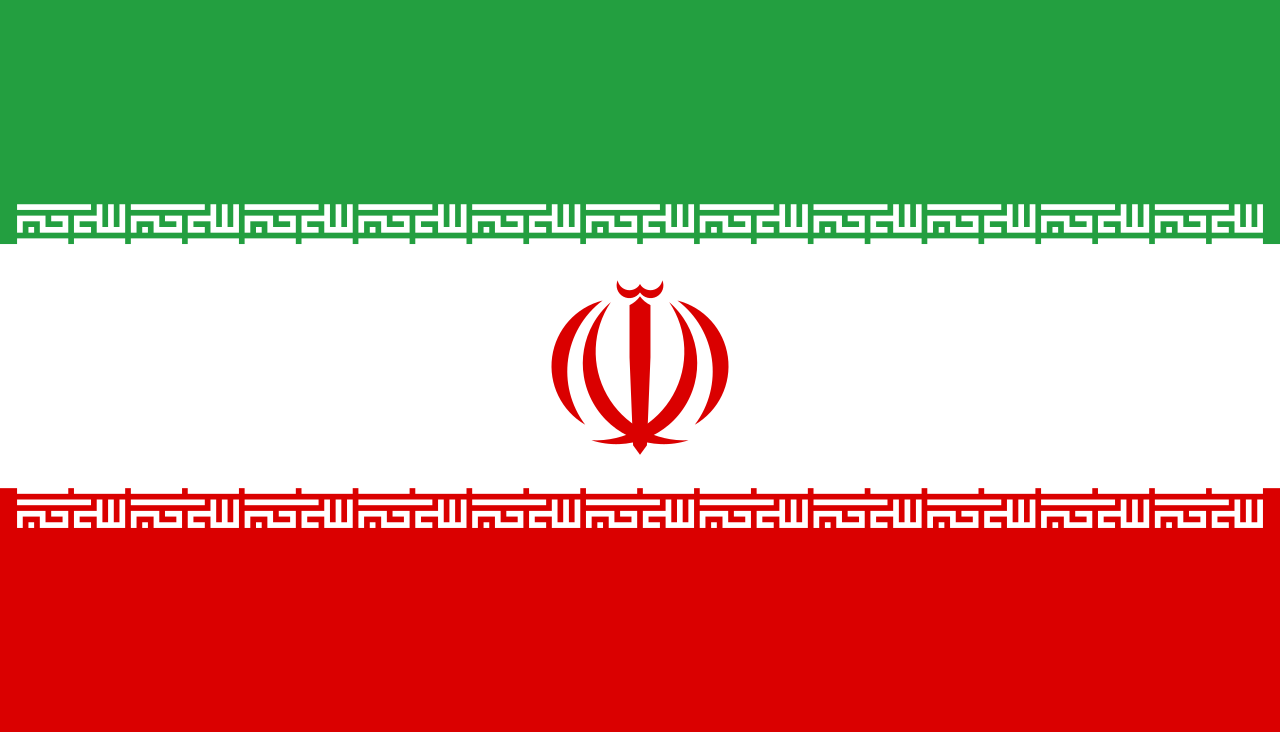
The Escalating Maritime Chessboard: Iran's Tit-for-Tat Tanker Seizure Amidst US Oil Dispute
In a bold move that further escalates maritime tensions in the critical waterways of the Middle East, Iran has reportedly seized a diesel tanker in the Gulf of Oman, claiming it was bound for the United States. This incident, confirmed by Iranian state media, is widely seen as a direct retaliatory response to an earlier seizure by the U.S. of a Venezuelan tanker carrying Iranian oil. The 'tit-for-tat' nature of these actions underscores a dangerous and unpredictable dynamic in the long-standing Iran-US naval clash, where economic sanctions and geopolitical rivalries often spill over into overt naval confrontations.
The seizure of the diesel tanker, said to be carrying approximately 6 million liters (over 1.5 million gallons) of fuel, thrusts the concept of energy security and freedom of navigation back into the global spotlight. Such incidents not only threaten international shipping but also have the potential to destabilize global energy markets. For those following the intricate dance of international relations, this development highlights the ongoing struggle for influence and the potent symbolism of oil in the strategic interplay between nations. The phrase "Iran oil tanker US" has once again become shorthand for a complex web of sanctions, retaliations, and high-stakes brinkmanship.
A Retaliatory Maneuver: Unpacking the Initial US Seizure
To fully grasp the motivations behind Iran's recent actions, it's crucial to understand the preceding event: the U.S. seizure of a Venezuelan oil tanker allegedly laden with Iranian crude. This move by the U.S. was a clear enforcement of its stringent sanctions regime against Iran, which aims to curb Tehran's nuclear program and destabilizing regional activities by severely limiting its ability to export oil – a primary source of its revenue. The U.S. government has a policy of intercepting and seizing shipments that violate these sanctions, especially when they involve U.S. financial systems or flag vessels.
From the U.S. perspective, such seizures are legal and necessary tools to exert economic pressure. They argue that these actions are aimed at enforcing international norms and preventing proliferation. However, from Iran's viewpoint, and indeed from the perspective of many other nations, these unilateral sanctions and extraterritorial enforcement actions are an infringement on national sovereignty and international law. Iran has consistently condemned these seizures as acts of piracy and economic warfare. The particular tanker in question, transporting Iranian oil under a Venezuelan flag, became a symbol of this broader dispute, perceived by Iran as an illicit act of "looting" its national resources.
This stark difference in interpretation sets the stage for the retaliatory cycle. Iran's response, therefore, wasn't merely about diesel; it was about demonstrating its capacity to respond in kind, asserting its right to act within what it perceives as its sphere of influence, and sending a clear message that such U.S. actions will not go unanswered. It’s a dangerous game of escalation, where each move seeks to restore a perceived balance of power or deter future aggressions, but often only fuels further friction.
The Strategic Chokepoints: Gulf of Oman and Strait of Hormuz
The geography of these incidents is no coincidence. Both the initial U.S. seizure and Iran's subsequent retaliation occurred in or near some of the world's most vital and vulnerable maritime arteries: the Gulf of Oman and the Strait of Hormuz. These waterways are not just bodies of water; they are strategic chokepoints through which a significant portion of the world's oil supply, approximately 20-30% of global consumption, passes daily.
The Strait of Hormuz, a narrow channel linking the Persian Gulf with the Gulf of Oman and the Arabian Sea, is particularly critical. Bordered by Iran to the north and Oman and the UAE to the south, it is a geopolitical fault line. Any disruption here has immediate and profound implications for global energy prices and supply chains. The Gulf of Oman, while slightly wider, serves as the gateway to the Strait and is therefore equally susceptible to regional tensions.
Iran, with its extensive coastline along these vital routes, sees these waters as integral to its security and economic interests. Its naval forces, including the Islamic Revolutionary Guard Corps (IRGC) Navy, maintain a strong presence, often asserting their authority through patrols, drills, and, as we've seen, direct interventions. The continuous presence of U.S. naval assets in the region, operating under the mandate of ensuring freedom of navigation and deterring aggression, often brings the two nations into close proximity, increasing the risk of miscalculation or accidental escalation. This constant tension underscores why maritime incidents in these areas resonate globally, affecting everything from shipping insurance premiums to long-term energy contracts.
Broader Implications and Geopolitical Ripple Effects
The latest "Iran oil tanker US" incident carries significant broader implications that extend far beyond the immediate seizure. First, it signals Iran's unwavering resolve to defy U.S. sanctions and demonstrate its capacity for asymmetric warfare. Tehran is effectively communicating that while it may suffer under sanctions, it can also impose costs on its adversaries, particularly by disrupting global commerce in crucial maritime areas.
- Impact on Shipping and Trade: International shipping companies operating in the Gulf region now face heightened risks. This translates to increased insurance premiums, higher operational costs, and potential delays, all of which ultimately affect global supply chains and consumer prices.
- Energy Market Volatility: While individual tanker seizures might not drastically alter global oil supplies, the cumulative effect of recurring tensions and threats of disruption can inject significant volatility into energy markets. Oil prices tend to spike on news of such incidents, reflecting investor uncertainty.
- Diplomatic Deadlock: This incident further complicates any potential efforts to revive the Iran nuclear deal (JCPOA). The U.S. and Iran remain far apart on key issues, and actions like these only deepen mistrust and harden positions, making diplomatic breakthroughs even more challenging.
- Regional Stability: Allied nations in the region, particularly Gulf states, view these escalations with concern. They rely heavily on the stability of these waterways for their own oil exports and imports, and any major conflict could have devastating economic and security consequences for them.
Furthermore, such incidents serve as a powerful reminder of the complex interplay between economic sanctions, national sovereignty, and international law. While the U.S. cites international maritime law and its right to enforce sanctions, Iran invokes the principle of self-defense and retaliation against what it deems illegal economic warfare. This fundamental disagreement on the legitimacy of each other's actions creates a cycle of escalation where each party feels justified in its response, making de-escalation a formidable challenge.
Navigating the Volatile Waters: What Comes Next?
Predicting the precise trajectory of the "Iran oil tanker US" dispute is challenging, given the multitude of factors at play and the inherent unpredictability of geopolitical rivalries. However, several potential scenarios and considerations emerge:
Scenario 1: Controlled De-escalation. Both sides might recognize the dangers of further escalation and seek to avoid direct military confrontation. This could involve back-channel communications, a temporary reduction in aggressive maneuvers, or even prisoner/tanker swaps. However, the deep-seated grievances make a swift return to calm unlikely.
Scenario 2: Continued Tit-for-Tat. The current cycle of seizures and retaliations could persist, creating a "new normal" of elevated tensions in the Gulf. This would entail ongoing risks for shipping and periodic spikes in energy market volatility, without necessarily leading to all-out conflict.
Scenario 3: Escalation to Direct Confrontation. The most concerning scenario involves an incident – perhaps an accidental collision, a misinterpretation of intent, or a more aggressive act by either side – that spirals into a direct military clash. While both nations generally seek to avoid this, the high concentration of naval assets and the political rhetoric make it a perennial risk.
For stakeholders navigating these volatile waters, vigilance and preparation are key:
- For Shipping Companies: Maintain enhanced security protocols, conduct thorough risk assessments for routes through the Gulf of Oman and Strait of Hormuz, and ensure robust communication channels with international maritime authorities. Staying informed about naval advisories and regional security updates is paramount.
- For Governments and Policymakers: Explore diplomatic avenues for de-escalation, even while maintaining a strong deterrent posture. Multilateral dialogue and frameworks for maritime security could help mitigate risks.
- For Energy Consumers and Businesses: Be prepared for potential short-term price fluctuations in crude oil and refined products. Diversifying supply chains and exploring alternative energy sources can build resilience against such geopolitical shocks.
In conclusion, the seizure of the diesel tanker by Iran serves as a stark reminder of the fragile state of global maritime security and the enduring geopolitical fault lines in the Middle East. It is a complex interaction where economic sanctions, national pride, and strategic imperatives converge, creating a dangerous cycle of action and reaction. As the world watches, the critical question remains whether the international community can find a path to de-escalation before these tit-for-tat exchanges plunge the region into a broader and more destructive conflict.